
Choosing the right logo style is one of the most important branding decisions a business can make. Your logo serves as the visual foundation of your brand identity, influencing how customers perceive your company before they interact with your products or services.
Among today’s most popular branding approaches, modern logos and minimalist logos continue to dominate the design landscape. Both styles offer unique advantages, but they serve different purposes depending on your business goals, target audience, and brand personality.
If you’re planning a new brand launch or considering a logo redesign, understanding the difference between modern and minimalist logo design can help you make a more strategic decision.
In this guide, we’ll explore both styles, their strengths, and how to determine which approach best fits your brand.
Why Logo Style Matters in Brand Identity
A logo is more than just a visual symbol. It communicates your company’s values, professionalism, and market position.
An effective logo helps:
- Build brand recognition
- Create trust and credibility
- Differentiate your business from competitors
- Improve customer recall
- Support long-term marketing efforts
The style you choose plays a major role in how customers interpret your brand.
A modern logo may communicate innovation and creativity, while a minimalist logo often reflects simplicity, confidence, and clarity.
Choosing the right direction ensures your visual identity aligns with your business objectives.
What Is a Modern Logo?
Modern logo design embraces current visual trends while maintaining functionality across digital and print platforms.
Modern logos often feature:
- Bold typography
- Creative geometric elements
- Dynamic layouts
- Unique visual effects
- Contemporary color palettes
- Flexible branding systems
The goal is to create a fresh, engaging identity that feels relevant to today’s audience.
Characteristics of Modern Logos
Modern logos typically include:
- Innovative design concepts
- Distinctive visual elements
- Strong digital adaptability
- Brand personality expression
- Creative use of shapes and typography
Businesses in technology, startups, creative industries, ecommerce, and digital services frequently choose modern logo designs to communicate innovation and forward-thinking values.
Benefits of Modern Logo Design
Helps Brands Stand Out
Modern logos often incorporate unique visual concepts that make businesses more memorable.
Supports Contemporary Branding
A modern identity can help businesses remain relevant in rapidly evolving markets.
Appeals to Younger Audiences
Many modern design trends resonate with digitally savvy consumers.
Offers Design Flexibility
Modern branding systems often include multiple logo variations for websites, social media and marketing campaigns.
What Is a Minimalist Logo?
Minimalist logo design focuses on simplicity and clarity.
Rather than relying on complex graphics or visual effects, minimalist logos use clean lines, simple typography, and essential design elements to communicate a brand message.
The philosophy behind minimalism is simple:
Remove everything unnecessary and focus only on what matters most.
Characteristics of Minimalist Logos
Minimalist logos often feature:
- Simple shapes
- Clean typography
- Limited color palettes
- Strong whitespace usage
- Timeless visual appeal
- Easy scalability
Many of the world’s most recognizable brands use minimalist design principles because simplicity often improves memorability.
Benefits of Minimalist Logo Design
Strong Brand Recognition
Simple logos are often easier for customers to remember.
Timeless Appeal
Minimalist logos tend to age better than trend-focused designs.
Excellent Versatility
They perform exceptionally well across websites, mobile devices, social media platforms, packaging, and print materials.
Improved Scalability
Whether displayed on a billboard or a social media profile image, minimalist logos maintain clarity and impact.
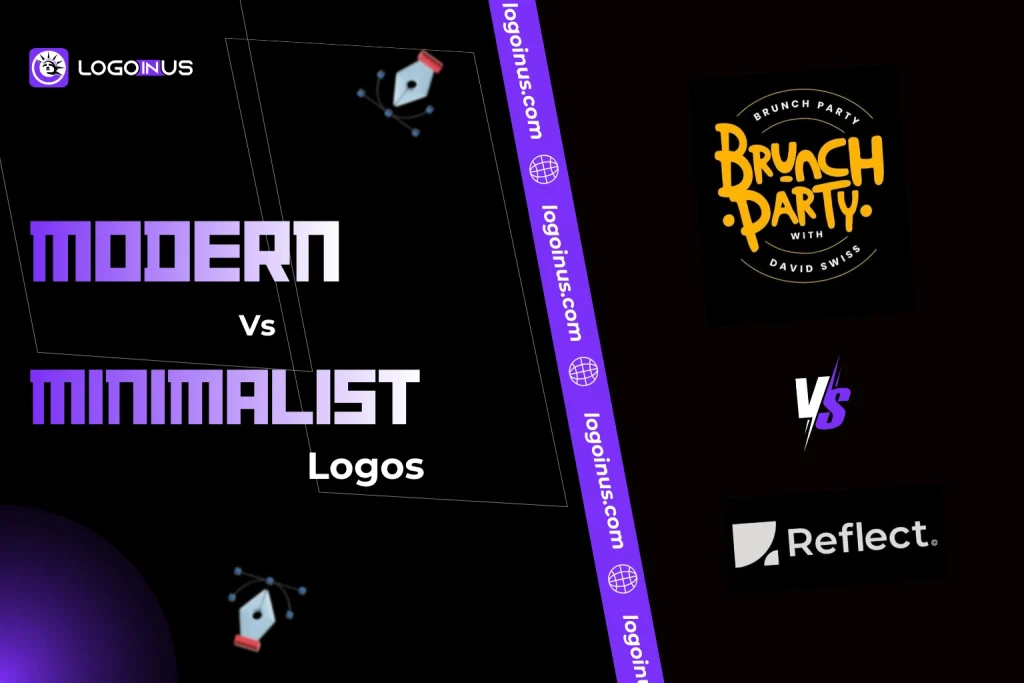
Modern vs Minimalist Logos: Key Differences
Although both styles can be highly effective, they communicate different brand personalities.
| Modern Logos | Minimalist Logos |
|---|---|
| Trend-focused | Timeless design |
| Creative and expressive | Clean and simple |
| Often use multiple design elements | Use only essential elements |
| Strong visual personality | Strong visual clarity |
| Ideal for innovative brands | Ideal for established and professional brands |
Neither approach is inherently better. The right choice depends on your brand goals and audience expectations.
Which Style Fits Your Brand?
Choose a Modern Logo If:
Your business:
- Operates in a competitive digital market
- Wants to appear innovative
- Targets younger audiences
- Emphasizes creativity
- Wants a visually distinctive identity
Industries that often benefit from modern logo design include:
- Technology
- SaaS companies
- Digital marketing agencies
- Ecommerce brands
- Creative studios
Modern logos help communicate growth, innovation, and adaptability.
Choose a Minimalist Logo If:
Your business:
- Prioritizes professionalism
- Wants long-term brand consistency
- Values simplicity
- Operates in a mature industry
- Needs maximum versatility
Minimalist logos work particularly well for:
- Professional service firms
- Financial companies
- Law firms
- Consulting agencies
- Luxury brands
A minimalist identity often communicates confidence and trustworthiness.
Can You Combine Modern and Minimalist Design?
Absolutely.
Many successful brands today combine modern and minimalist principles to create logos that feel both current and timeless.
This approach often includes:
- Clean typography
- Strategic use of whitespace
- Subtle creative elements
- Balanced visual hierarchy
- Simplified geometric forms
The result is a logo that remains memorable without appearing overly complicated.
In fact, many professional logo design projects now focus on creating modern-minimalist identities that adapt well to evolving marketing channels.
How Professional Logo Design Helps You Choose the Right Direction
Selecting the right logo style requires more than personal preference.
Professional logo designers evaluate:
Brand Positioning
How do you want customers to perceive your business?
Target Audience
What design style resonates with your ideal customers?
Industry Landscape
What visual trends dominate your market?
Long-Term Growth Goals
Will your logo remain effective as your business expands?
A strategic design process ensures your logo supports both immediate branding needs and future growth opportunities.
Common Mistakes Businesses Make
When choosing between modern and minimalist logos, many companies make these mistakes:
Following Trends Blindly
A trendy logo may look impressive today but feel outdated within a few years.
Over-complicating the Design
Too many visual elements can reduce clarity and recognition.
Ignoring Brand Strategy
Your logo should reflect your business goals rather than personal design preferences.
Prioritizing Style Over Function
A logo must work across websites, social media, marketing materials, and mobile devices.
Professional logo design balances creativity, functionality, and long-term usability.
Final Thoughts
The debate between modern vs minimalist logos isn’t about determining a universal winner. It’s about finding the style that best aligns with your brand identity, audience expectations, and business objectives.
Modern logos excel at expressing creativity, innovation, and uniqueness. Minimalist logos deliver clarity, versatility, and timeless appeal.
For many businesses, the ideal solution lies somewhere between the two combining contemporary design principles with the simplicity that drives strong brand recognition.
Whether you’re launching a startup, refreshing your visual identity, or investing in a complete brand transformation, choosing the right logo style can have a lasting impact on how customers perceive your business.
A thoughtfully designed logo doesn’t simply look good-it becomes a powerful asset that supports brand growth, trust, and long-term success.