
Choosing the right platform for your website is one of the most important decisions for any business owner. In today’s digital-first world, your website is not just an online presence, it is your sales engine, brand identity, and customer experience hub.
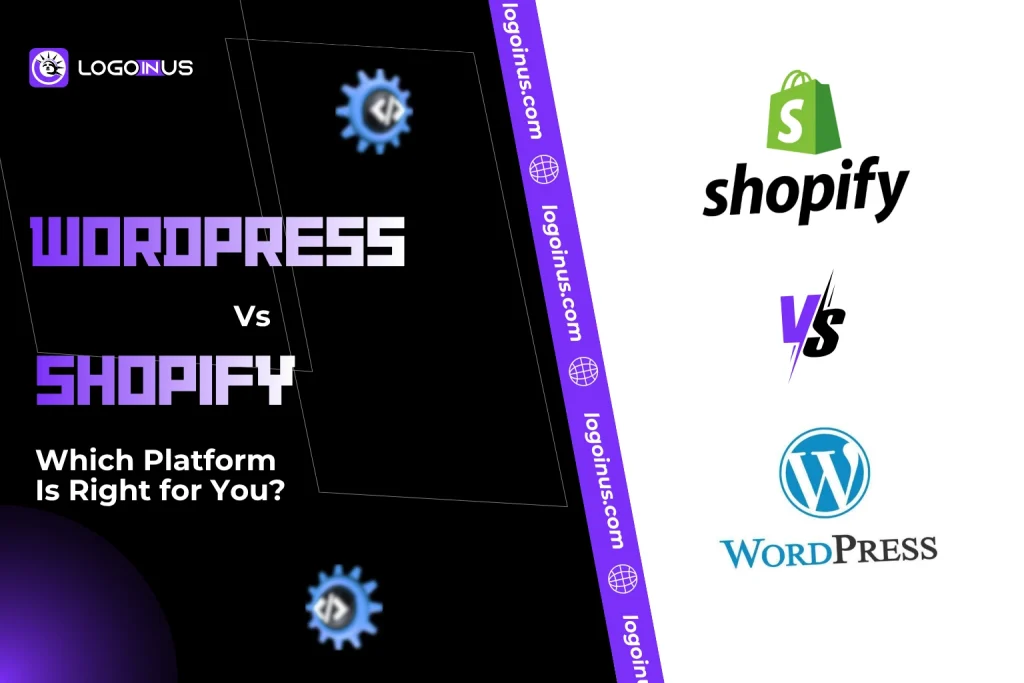
Two of the most popular platforms dominating the market are WordPress and Shopify. While both are powerful, they serve very different purposes.
If you’re confused about WordPress vs Shopify, this guide will help you understand which platform is right for your business based on flexibility, scalability, cost, SEO, and long-term growth.
1. WordPress vs Shopify: A Quick Overview
Before diving deeper, it’s important to understand the core difference between the two platforms.
WordPress
WordPress is an open-source content management system (CMS) that allows complete control over website design, functionality, and scalability. It powers more than 40% of the internet and is widely used for blogs, business websites, and custom web applications.
Shopify
Shopify is a fully hosted eCommerce platform designed specifically for online stores. It is beginner-friendly and provides everything needed to start selling products quickly.
In simple terms:
- WordPress = Full control + flexibility
- Shopify = Easy setup + built-in eCommerce
2. Ease of Use: Which Is More Beginner-Friendly?
When it comes to usability, Shopify has the advantage for beginners.
Shopify Advantages
- No technical setup required
- Drag-and-drop store builder
- Hosting and security included
- Quick product setup
WordPress Challenges
- Requires hosting setup
- Needs plugin configuration
- Slight learning curve for beginners
However, WordPress becomes extremely powerful once properly set up, especially when built by a professional WordPress development company.
3. Design Flexibility and Customization
This is where the biggest difference appears.
WordPress Wins in Customization
WordPress offers unlimited customization through:
- Custom themes
- Page builders like Elementor
- Custom coding (HTML, CSS, PHP)
- Plugin ecosystem (55,000+ plugins)
You can build anything:
- Corporate websites
- SaaS platforms
- Membership portals
- eCommerce stores
Shopify Limitations
- Limited theme customization
- Restricted backend access
- Dependency on Shopify ecosystem
If you want a fully custom brand experience, WordPress development is the better choice.
4. SEO Performance: WordPress vs Shopify
Search engine visibility is critical for long-term business growth.
Why WordPress is Better for SEO
WordPress is widely considered the best platform for SEO because:
- Full control over meta tags
- Advanced schema markup support
- SEO plugins (Yoast, RankMath)
- Better internal linking structure
- Faster optimization possibilities
Shopify SEO Limitations
- Limited URL structure control
- Restricted technical SEO access
- App dependency for SEO features
For businesses focusing on organic traffic, WordPress clearly has the edge.
5. Scalability and Business Growth
Your platform should grow with your business.
WordPress Scalability
- Suitable for develop small to enterprise-level websites
- Easily integrates with CRM, ERP, APIs
- Custom functionality development possible
- No platform limitations
Shopify Scalability
- Best for small to mid-sized eCommerce stores
- Limited customization for complex systems
- Monthly cost increases with growth
If you are planning long-term expansion, WordPress offers more freedom.
6. Cost Comparison: WordPress vs Shopify
WordPress Costs
- Hosting
- Domain
- Development (one-time or custom)
- Maintenance (optional)
More flexible and cost-effective in long term
Shopify Costs
- Monthly subscription
- App fees
- Transaction fees (in some cases)
Easier to start but can become expensive over time
7. Security and Maintenance
Shopify Security
- Fully managed security
- SSL included
- Automatic updates
WordPress Security
- Depends on hosting and setup
- Requires updates and maintenance
- Can be highly secure when properly managed
With professional WordPress development, security can match or exceed Shopify standards.
8. When to Choose WordPress
WordPress is the right choice if you:
- Need a fully custom website
- Want strong SEO performance
- Plan to scale your business
- Require advanced functionality
- Want ownership and flexibility
WordPress is ideal for:
- Corporate websites
- Service-based businesses
- SaaS platforms
- Agencies
- Blogs with SEO focus
9. When to Choose Shopify
Shopify is better if you:
- Want to launch a simple online store quickly
- Have no technical experience
- Focus only on eCommerce sales
- Don’t need deep customization
Shopify is ideal for:
- Small eCommerce startups
- Dropshipping businesses
- Quick MVP product launches
10. Final Verdict: WordPress vs Shopify
Both platforms are powerful but the right choice depends on your goals.
- If you want speed and simplicity → Shopify
- If you want scalability, SEO, and full control → WordPress
However, for long-term business growth and digital authority, WordPress is the more powerful and flexible solution.
Bonus Insight (SEO Perspective)
From an SEO and digital growth perspective, WordPress consistently performs better due to:
- Better semantic structure
- Stronger content marketing capabilities
- Advanced technical SEO control
- Higher customization for conversion optimization
This is why most digital marketing agencies and web development companies prefer WordPress for client projects.Conclusion
Choosing between WordPress and Shopify is not just a technical decision it is a strategic business decision.
If your goal is long-term brand building, organic traffic growth, and full control over your website, WordPress stands out as the stronger platform.
But if your priority is fast setup and simple eCommerce operations, Shopify can be a good starting point.
For businesses aiming to scale seriously, investing in professional WordPress development services is often the smarter long-term move.